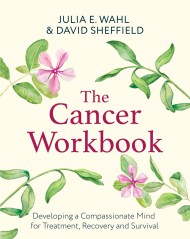
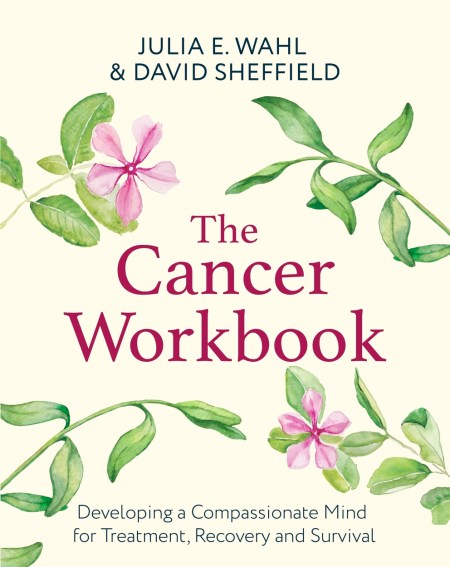
The Cancer Workbook
On sale
7th January 2027
Price: £18.99
A cancer diagnosis changes everything.
The future you imagined dissolves, your identity is reshaped, relationships are challenged, and a storm of emotions are awakened that linger long after treatment. The Cancer Workbook helps you navigate that terrain; a practical roadmap through diagnosis, treatment and survival.
Inside, you’ll find self-reflection practices, practical worksheets and techniques to foster courage, self-compassion and gentle acceptance of change. You will learn:
· Why our evolutionarily ‘tricky brains’ are so ill-equipped to face illness
· How dignity, shame, loss, loneliness, vulnerability and resilience are all important factors in cancer care
· How to manage pain and find a mental place of safety
· Ways to take these tools into your life beyond cancer, in recovery.
THE COMPASSIONATE MIND APPROACH
The self-help books in this series are based on compassion focused therapy (CFT, developed by series editor Paul Gilbert). This brings together an understanding of how our mind can cause us difficulties but also provides us with a powerful solution in the shape of mindfulness and compassion. It teaches ways to stimulate the part of the brain connected with kindness, warmth, compassion and safeness, and to calm the part that makes us feel, anxious, angry, sad or depressed.
The future you imagined dissolves, your identity is reshaped, relationships are challenged, and a storm of emotions are awakened that linger long after treatment. The Cancer Workbook helps you navigate that terrain; a practical roadmap through diagnosis, treatment and survival.
Inside, you’ll find self-reflection practices, practical worksheets and techniques to foster courage, self-compassion and gentle acceptance of change. You will learn:
· Why our evolutionarily ‘tricky brains’ are so ill-equipped to face illness
· How dignity, shame, loss, loneliness, vulnerability and resilience are all important factors in cancer care
· How to manage pain and find a mental place of safety
· Ways to take these tools into your life beyond cancer, in recovery.
THE COMPASSIONATE MIND APPROACH
The self-help books in this series are based on compassion focused therapy (CFT, developed by series editor Paul Gilbert). This brings together an understanding of how our mind can cause us difficulties but also provides us with a powerful solution in the shape of mindfulness and compassion. It teaches ways to stimulate the part of the brain connected with kindness, warmth, compassion and safeness, and to calm the part that makes us feel, anxious, angry, sad or depressed.
Reviews
Julia Wahl has done something rare: she has taken the rigorous science of compassion focused therapy and brought it fully, bravely, into one of the most difficult human territories, cancer. What I admire most about Julia's work is that she refuses the easy path. She doesn't offer false comfort or a list of coping tricks. Instead, she invites us to ask deeper questions about identity, vulnerability, what it means to be human and she does so with both scientific groundedness and profound warmth. As a CFT practitioner, I know how much courage it takes to apply this framework in new contexts. Julia does it beautifully. This workbook is a genuine gift for anyone touched by cancer, and for every professional who accompanies them
Packed with human understanding and the experience of a seasoned therapist, The Cancer Workbook is a must-read book for the newly diagnosed cancer patient seeking to make this journey easier and more manageable
The Cancer Workbook ... brings compassion focused therapy into the context of cancer, offering an accessible and practical guide for navigating fear, uncertainty, self-criticism, changes in identity and the body, relationships, treatment, recovery and survivorship. The book also attends to the existential disruption of cancer and to the human need for meaning, dignity, connection and compassionate support throughout the illness experience
Julia's book is wonderfully warm, readable and conversational. From the beginning, she takes us by the hand and gently guides us through cultivating compassion to the experience of cancer. Her worksheets and self reflections allow us to personalise her approach and make it relevant to each one of us. We are encouraged to practice compassion for ourselves and also for others. Anecdotes from people who have attended Julia's courses tell us what the course has offered them. She helpfully looks at many aspects of being affected by cancer both physically and psychologically. This is a gem of a book and I am very happy that Julia has written it. May it be of much benefit
This wonderful book meets cancer survivors where they are, no stone unturned. Dr Wahl takes readers on a deep dive into the nature of compassion, peels away what is not compassion, until they can see its brilliant essence and apply it to the messiness of life. Multiple pathways to compassion are described. By practicing what is learned, this book will expose readers to a new vision of being with themselves and the unpredictable nature of being human
The Cancer Workbook is a sensitively written, practical and compassionate companion for anyone navigating the challenges of cancer. Using the evidence-based principles of compassion focused therapy, Dr Julia Wahl provides readers with effective tools to manage difficult emotions, build resilience, and cultivate compassion throughout treatment, recovery and beyond